As we step into a new year the main focus for many will be on EU packaging mandates, global supply shifts, and rising consumer demand for sustainability.

Set against this backdrop, global digital label output is set to soar over the next few years, fueled by sustainability goals, rapid technological evolution, and a resilient consumer goods sector.

These themes were outlined in this recent blog marking a decade of progress in labels.

They echo the momentum highlighted in last year’s look back on a decade of progress in the label industry.

Building on earlier predictions around AI, automation, smart labeling, and the premiumization of food and beverage packaging, here are four major trends that will shape consumer, brand, and label converter strategies in 2026.Trends that digital printing will become a mainstream driver in helping converters rethink possibilities.
1. Regulation-Driven Design Becomes the New Normal

2026 marks the first full year under the EU Packaging and Packaging Waste Regulation (PPWR), in effect since February 2025. This milestone compels brand owners and label converters to embed design-for-recycling, use certified materials, and adopt smart tracking systems right from the start.

The EU has a bold ambition for all packaging to be recyclable in an economically viable way by 2030.

To meet this, compliance now requires proactive circularity, integrating recyclability, reuse, and data transparency directly into packaging development cycles.

Digital label production is uniquely positioned to support this shift. With lower waste, smarter versioning, shorter runs, and traceability, converters equipped with certified materials and recycling-first design capabilities will lead the next wave of sustainable packaging innovation.

2. Extended Content Labels (ECLs) Step Into the Spotlight

As regulatory requirements tighten across industries, Extended Content Labels (ECLs), such as booklet-style or multi-layered formats, are experiencing explosive demand.

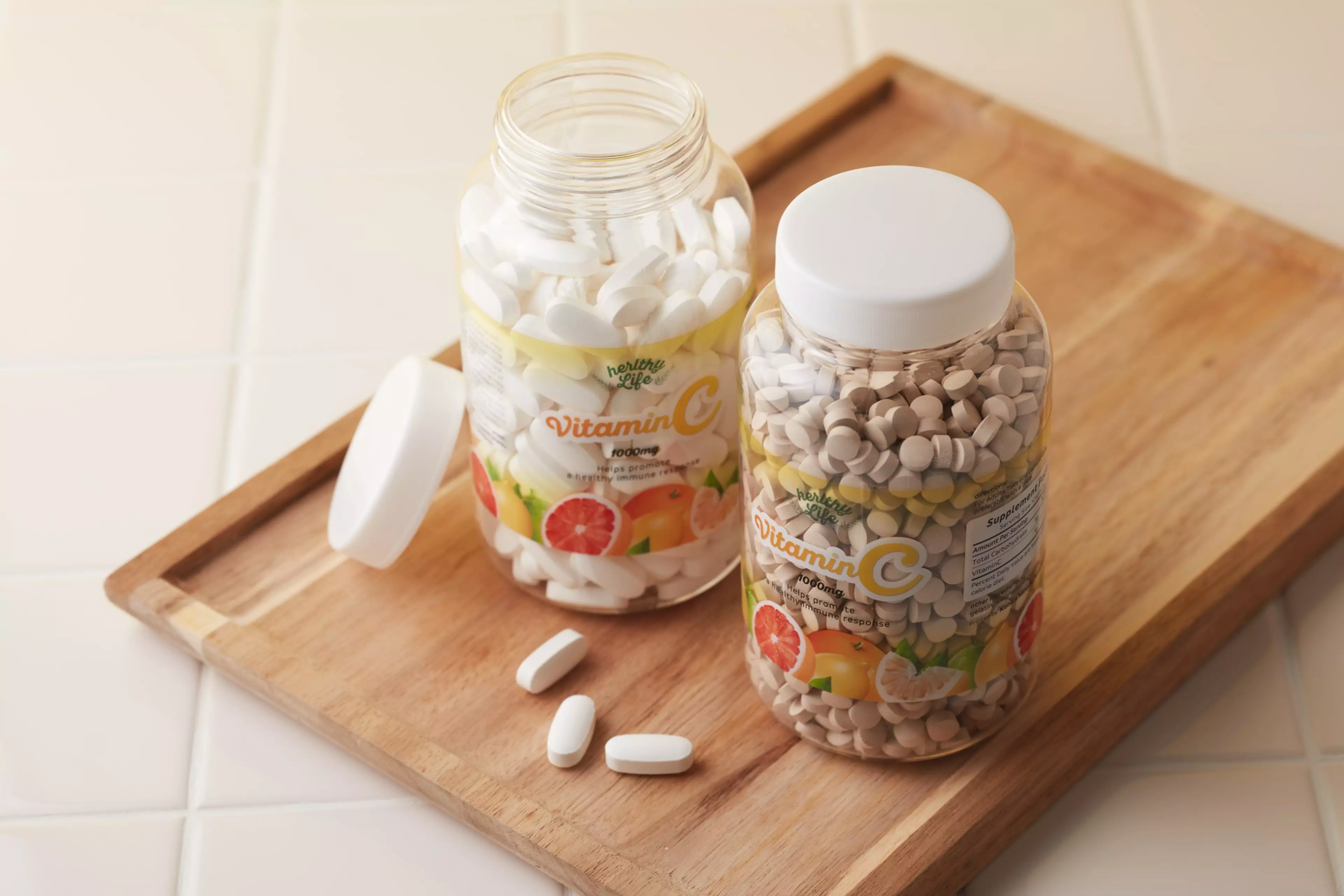
ECLs give manufacturers the space to include complex regulatory disclosures, multilingual content, safety instructions, sustainability messaging and dosage or usage details.

This format is essential for pharmaceuticals, cosmetics, and chemicals - sectors where compliance is mission-critical.The pharmaceutical industry, in particular, is driving rapid growth. With aging populations, globalized supply chains, and a wave of new drug approvals, the pharmaceutical labeling market is expected to exceed $9 billion by 2033 (CAGR 5%) according to a Pharmaceutical Labeling Market 2025-2033 report from analysts Research and Markets. Rising safety standards and patient-centric packaging, paired with digital printing innovations, will continue accelerating demand.

3. Compact, Agile Production Lines Define the Next Era of Converting

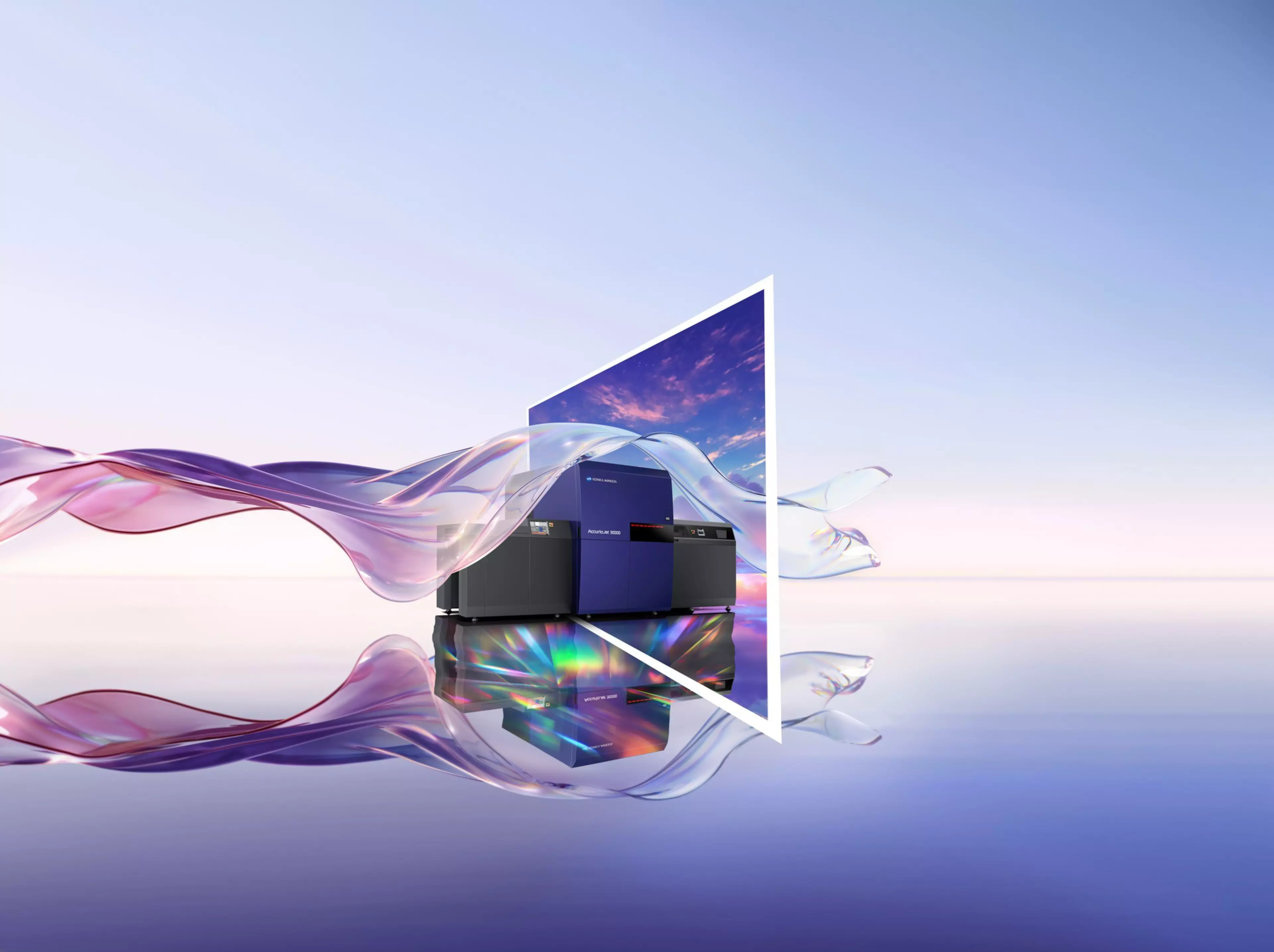
At Labelexpo Europe 2025, Konica Minolta introduced the prototype of its newest AccurioLabel press featuring an in-line IQ unit for automated quality control. This innovation reflects a broader industry push toward enabling converters to make their first move into digital, open new market segments and bring outsourced work back in-house.

Integrated production lines on display at the successful show were tailored to high-growth sectors such as retail, pharmaceuticals, and logistics. These highly automated systems simplify onboarding, speed up artwork versioning, and allow near-instant job switching.In 2026, converters will embrace compact, connected, and highly responsive production environments that support faster turnaround times and ever-shorter runs.

4. Digital Printing’s Rapid Climb to Market Dominance

Digital printing is continuing its steep upward trajectory. According to Smithers, global digital label output is set to double from 5.6 billion to 11.2 billion square meters between 2024 and 2030.

Flexography still represents roughly 41% of total volume, but digital is the fastest-growing process by a wide margin.

Why the surge?

  • Unmatched flexibility.
  • Shorter print runs.
  • Expanded embellishment possibilities.
  • Reduced waste and inventory.
  • improved responsiveness to market fluctuations.

Despite global uncertainty, ranging from geopolitical tensions to changing consumer behavior, digital printing remains a stabilizing production technology that empowers converters to move with speed and agility. This shift is prompting converters to rethink traditional workflows and embrace digital routes to embellishment and flexible packaging.

Digital Transformation Redefining Label Markets

Digital production is enabling a smarter, cleaner, more customized future for the label industry marked by automation, personalization, sustainability, real-time supply chain insight, and reduced inventory waste.

Smithers states the global label market reached 80.2 billion square metres in 2024 (valued at $46.5 billion) and is forecast to grow to 99.1 billion square metres by 2030. Digital’s market share will more than double to 11.3% by 2030, with Western Europe and North America leading ther charge

In Europe, both tighter regulations and booming e-commerce are fueling steady demand for high-quality digital label solutions, with market value expected to reach €19.5 billion by 2027 (IMG research).

And the adoption curve continues steepening: in Western Europe and North America, digital label production is fast approaching offset’s 17% share. They have already reached 11.2% and 11.3%, respectively. Asia-Pacific, while currently at 3.8% digital share, is the fastest-growing region, with projected CAGR of 4.81%.

A Future Built on Innovation

As 2026 progresses, label converters operate in a market defined by transformation, opportunity, and the push for sustainable competitiveness. Cloud-based ERP systems, higher automation, and digital-first workflows will play central roles.

FINAT Radar forecasts a “cautiously positive trajectory” for the European label market, emphasizing strategic adaptation, operational efficiency, and long-term resilience.

Konica Minolta, now recognized by IDC as a leader in digital label press technology with more than 1,700 AccurioLabel toner-based installations worldwide, continues to accelerate advancements in automation, productivity, and sustainability. The AccurioLabel prototype aims to elevate mid-range digital label production to new heights.The label printing industry is entering an era of accelerated innovation. One where digital technology remains firmly at the heart.

Talk to us and see how we can build the future of label production - together.

Share:

Rate this article