Guest blog by Koopmann Managing Director Markus Duhme

If we continue relying on yesterday’s production logic, we risk losing relevance in tomorrow’s print market. This is what I told our shareholders when I made a case for one of the biggest investments our company has made in years.

Like many companies in the printing industry, we already had functioning technology, stable processes, and an established customer base. On paper, there was no immediate crisis.

We could have continued operating as we were for a few more years with our existing technology but I explained that in the long run, we won’t survive with it. That sentence expanded the discussion to how we could build a stronger future.

Addressing fundamental change

The industry is changing. The principle that large print runs created efficiency is being replaced by customers expecting flexibility, personalization, and speed. Order quantities are shrinking while versioning requirements are increasing. A customer may still need 100,000 copies, but now in 200 different variations. That changes everything.

Traditional offset technology struggles to deliver this economically. The setup times, plate production, and workflow complexity simply weren’t designed for this level of customization.

We realized that if we wanted to remain competitive in the years ahead, we needed to rethink our production model entirely.

Inkjet technology has reached a turning point

For many applications, inkjet quality has now reached a level that allows it to compete directly with offset production. Shorter setup times. Faster workflows. No plate exposure. Less waste. Lower energy consumption. Greater production consistency. All of these factors combine to deliver cost-effective agility.

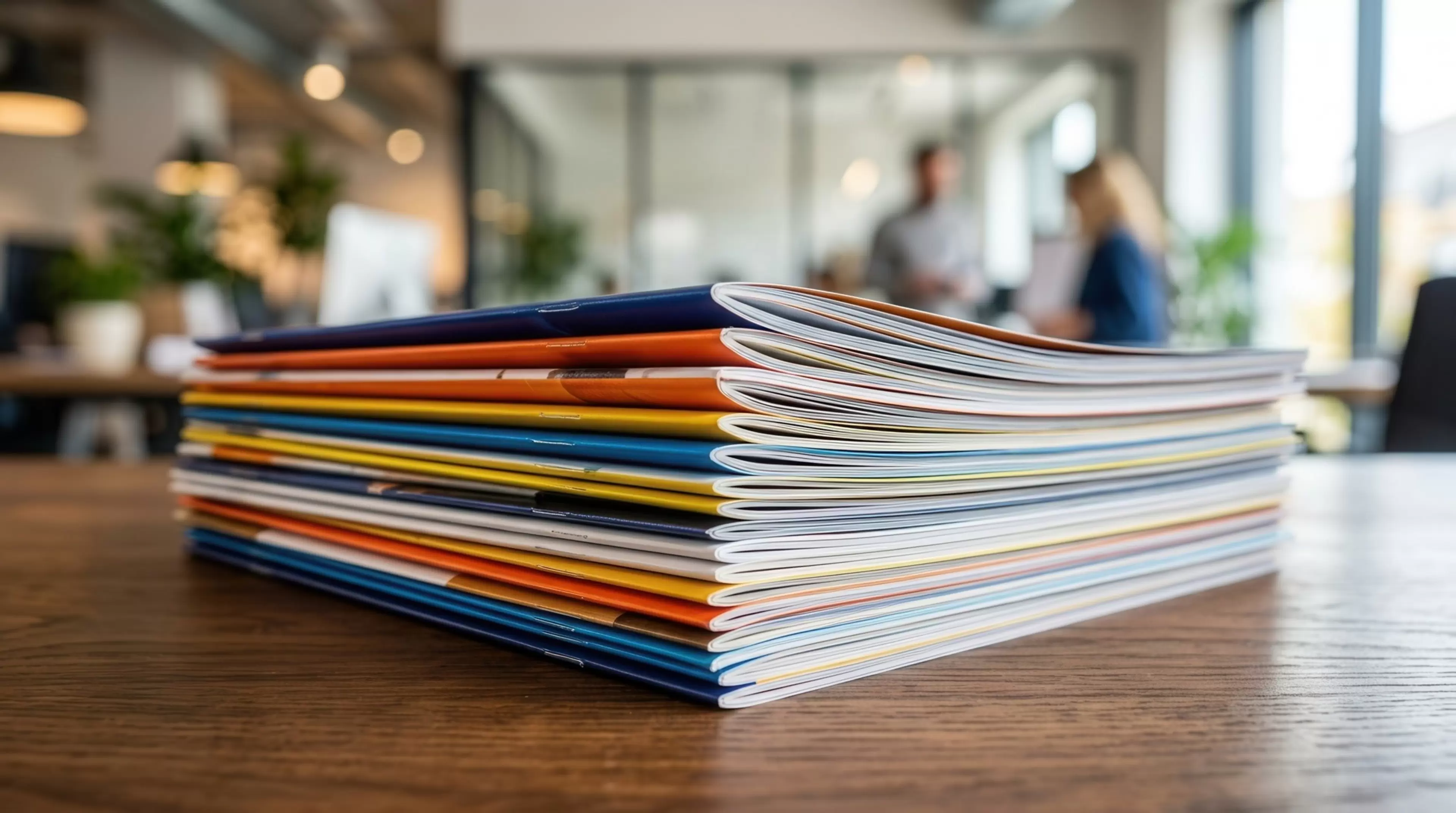
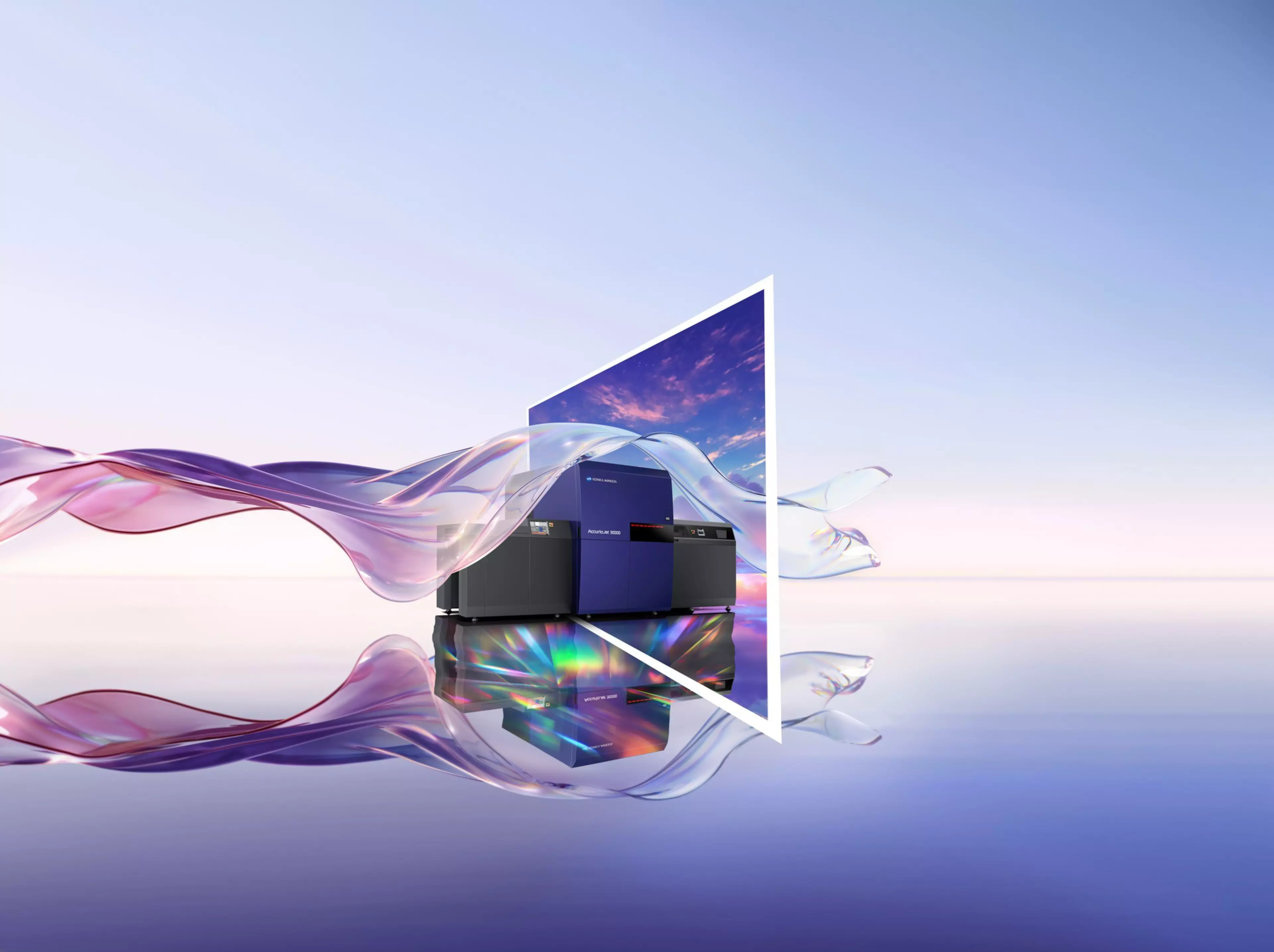
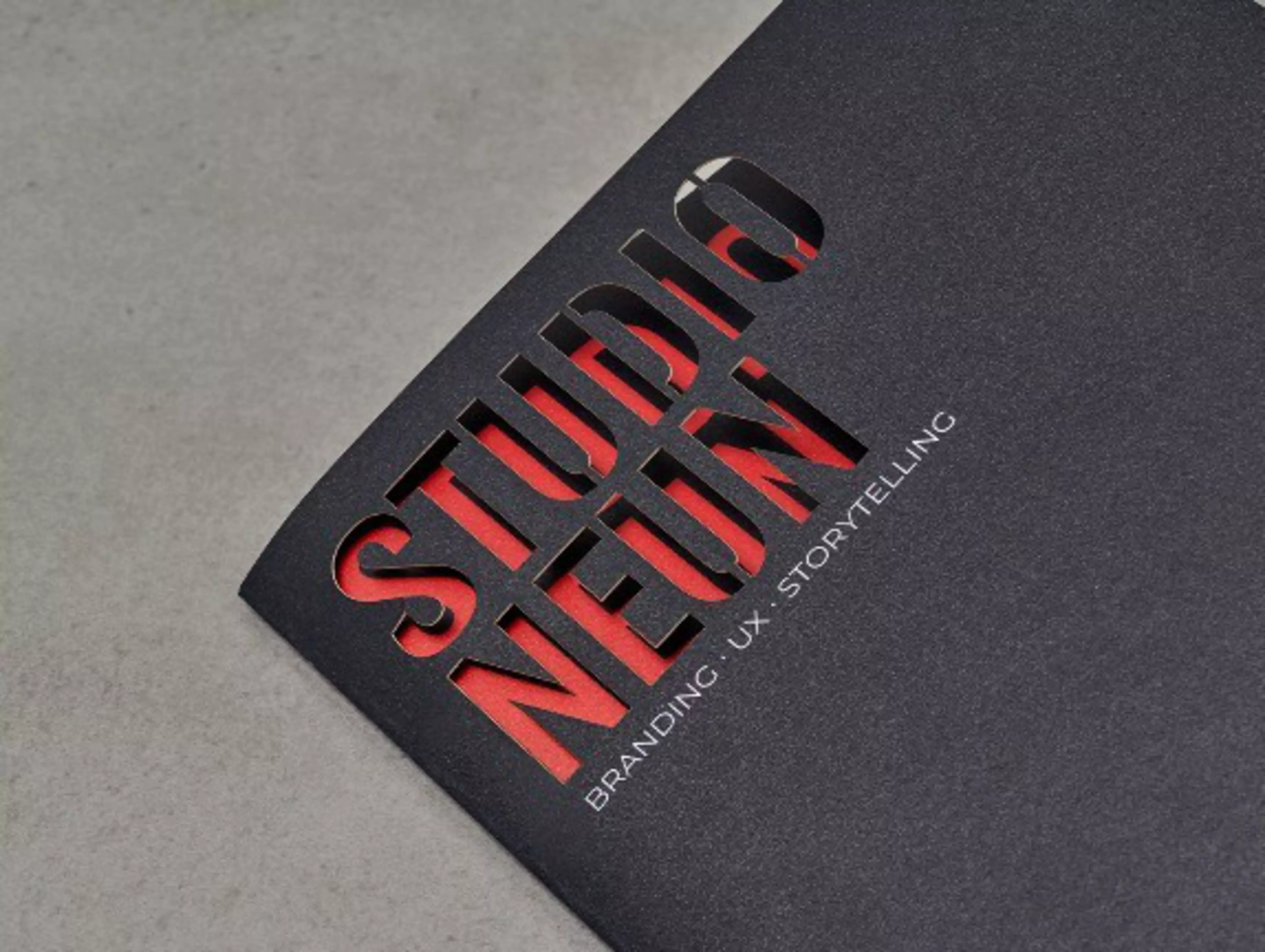
That is why we decided to invest in a new generation sheetfed inkjet production platform. In fact, we produced our own company image brochure using inkjet technology to prove exactly that point.

For us, this was not a technology experiment. It was a strategic business decision. This very high-quality machine allows us to meet market demands cost-effectively. It produces almost no waste, uses less electricity, and consumes less ink. All of this saves costs and is sustainable.

Innovation creates opportunity

One of the most exciting outcomes of this investment is that it allows us to enter entirely new business segments.

Over the past year and a half, we have expanded into the production of customized plant labels - the labels inserted into flower pots and garden products. This may sound niche, but it represents exactly the kind of specialized, high-variation application that modern print technology enables.

The ability to print on thick materials, up to 06 millimeters, while simultaneously offering full customization opens enormous possibilities. Every plant can potentially carry unique branding, information, or even individualized naming.

That is where I believe the future of print lies: highly targeted, application-driven, customized production.

Investing in success

In my view, the printing industry’s biggest challenge is not a lack of innovation. It is a lack of investment capacity.

Many companies simply do not have the internal funds to modernize. At the same time, financing conditions have become increasingly restrictive. Banks are cautious, margins are under pressure, and uncertainty discourages bold decisions.

As a result, many businesses postpone transformation for as long as possible. But those who invest also have ideas about how to move forward; they have a vision for the future. Those who don’t invest are primarily trying to keep the existing business alive.

Conversely, both employees and customers feel the impact of such an investment: something positive is happening here, and there is a sense of optimism. And a new machine sparks the imagination.

Print is not disappearing - but the economics and expectations around print are changing fundamentally. And I believe the future of print belongs to companies willing to reinvent how print creates value.

That is why I pushed so strongly for this investment.

Markus Duhme, Managing Director of Koopmann

Explore our Digital Inkjet Printing technology.

Share: